by 2019 Class | Oct 18, 2020 | Aggression
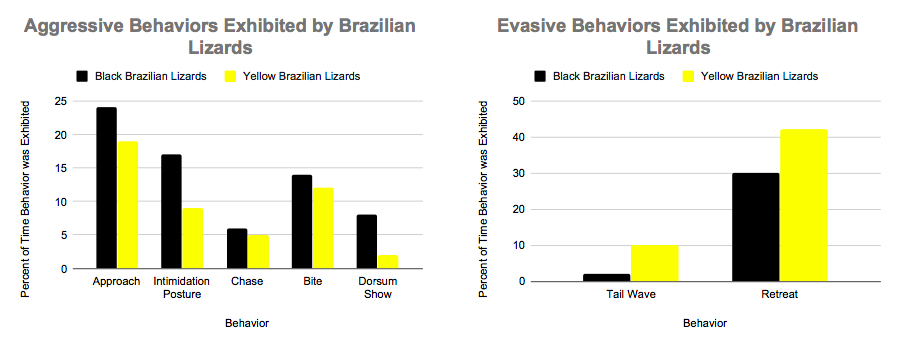
By Roya Best ’22 In many species, morphological coloration is used as a visual signal to provide individuals with information about the signal sender. Specifically, coloration may be used to communicate fitness, dominance, performance, alarms, and other...
by 2019 Class | Oct 15, 2020 | Sensory systems
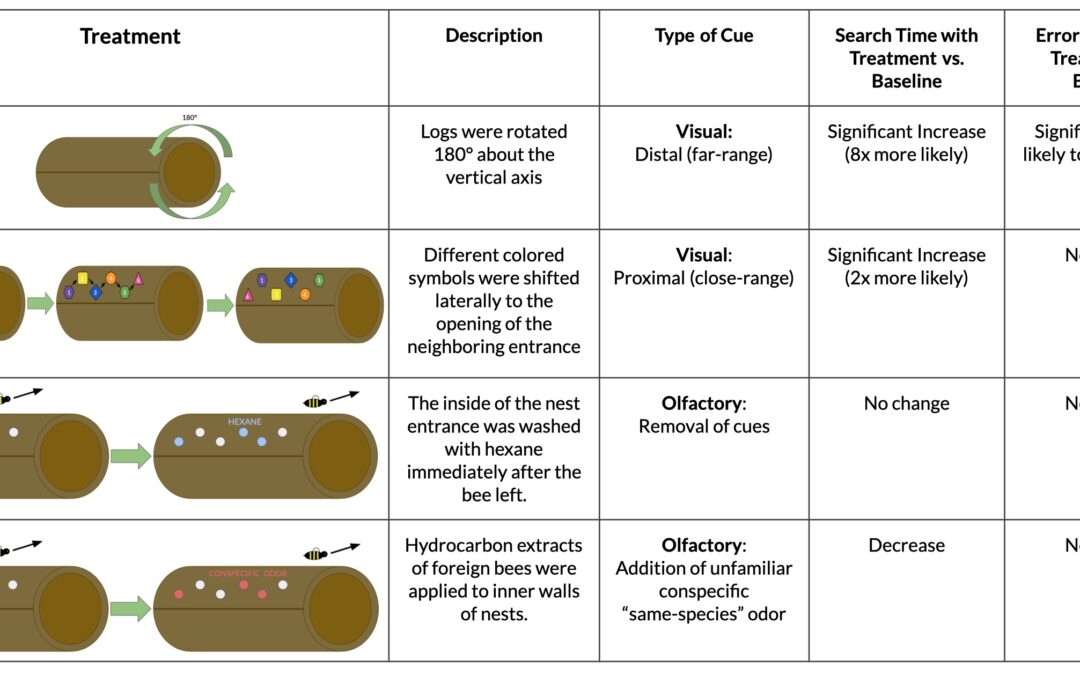
By Kate Alexy ’22 Imagine sharing a living space with over 100,000 individuals! Valley carpenter bees (Xylocopa varipuncta) live this way, creating several dozen nests in decaying stumps or logs with entrances only centimeters apart! So how do they know which...
by 2019 Class | Oct 15, 2020 | Mating
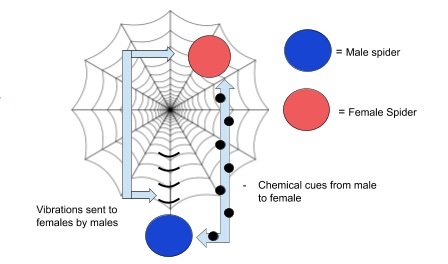
By Scott Upton ’22 Female spiders must mate frequently in order to increase fitness, but usually only one spider makes it out alive. Females often cannibalize their spider counterparts simply because they are hungry or to establish dominance. However, in...
by 2019 Class | Oct 15, 2020 | Sensory systems
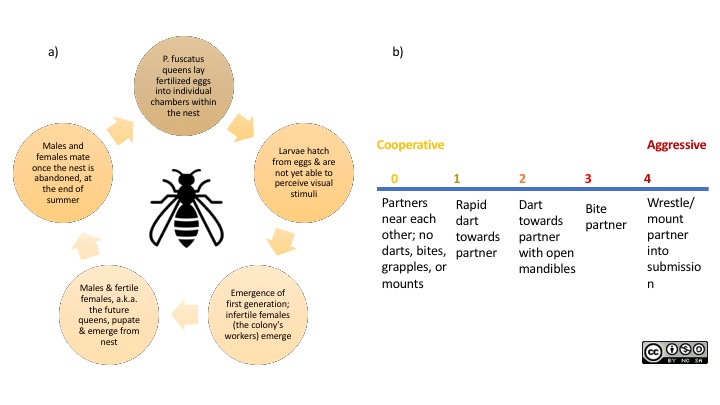
By Julia Unangst ’20 Lack of social experience wreaks havoc on the development of wasps’ ability to recognize individual faces. Have you ever walked down a busy street and recognize someone you haven’t seen in ages? You might be unsure whether to acknowledge the...
by 2019 Class | Oct 15, 2020 | Foraging
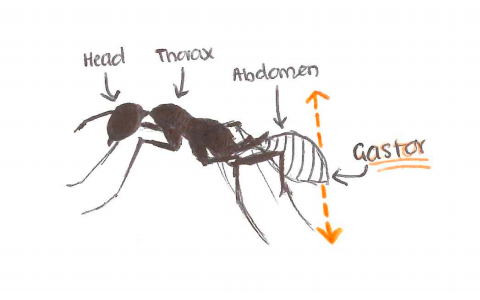
By Victoria Holman ’21 Insects may be very low on the list when you think of social creatures, but in fact some species, such as ants, have very highly organised social structures. Each individual worker ant has to work together to raise young and to forage for...

