by Aidan Biglow | Nov 11, 2020 | Social behavior
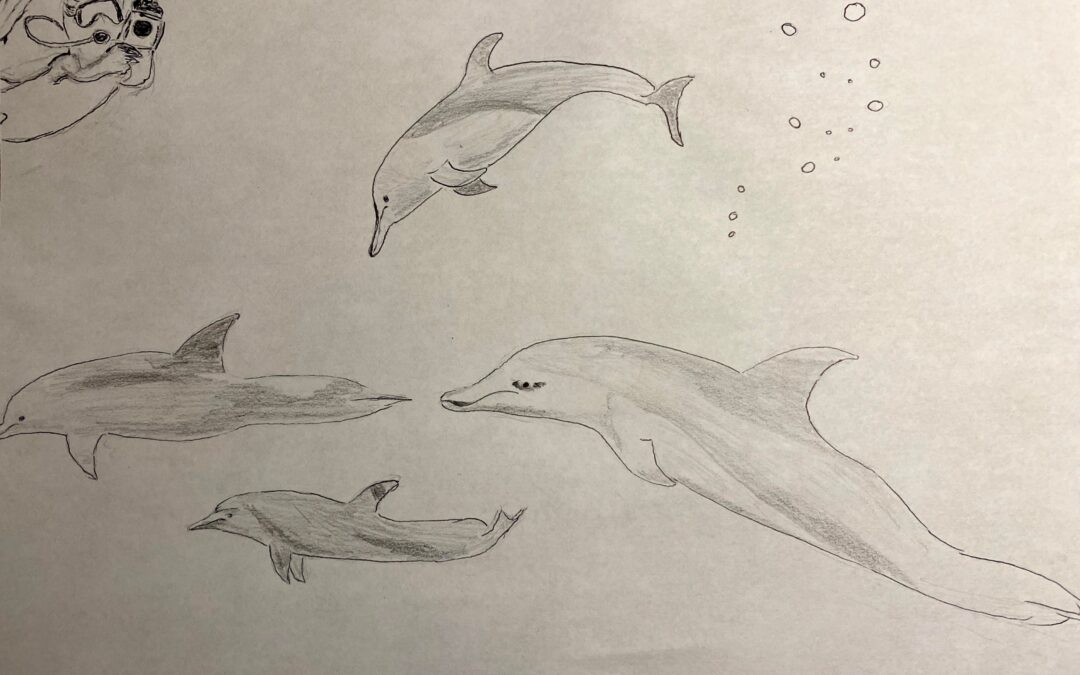
Social bonds between animals of the same species benefit those individuals taking part in the long term and stable interaction. An individual chooses whom they associate with so the forming of these bonds is selective. Among the benefits that arise from social bonding...

by Katya Naphtali | Nov 11, 2020 | Urban ecology
New York City’s nickname, the “city that never sleeps,” refers to the constant light show throughout the city. Usually we think of this as representative of the ever bustling human activity through all hours, but local animals are forced to follow this motto as well....
by Lara O'Callaghan | Nov 11, 2020 | Communication, Urban ecology
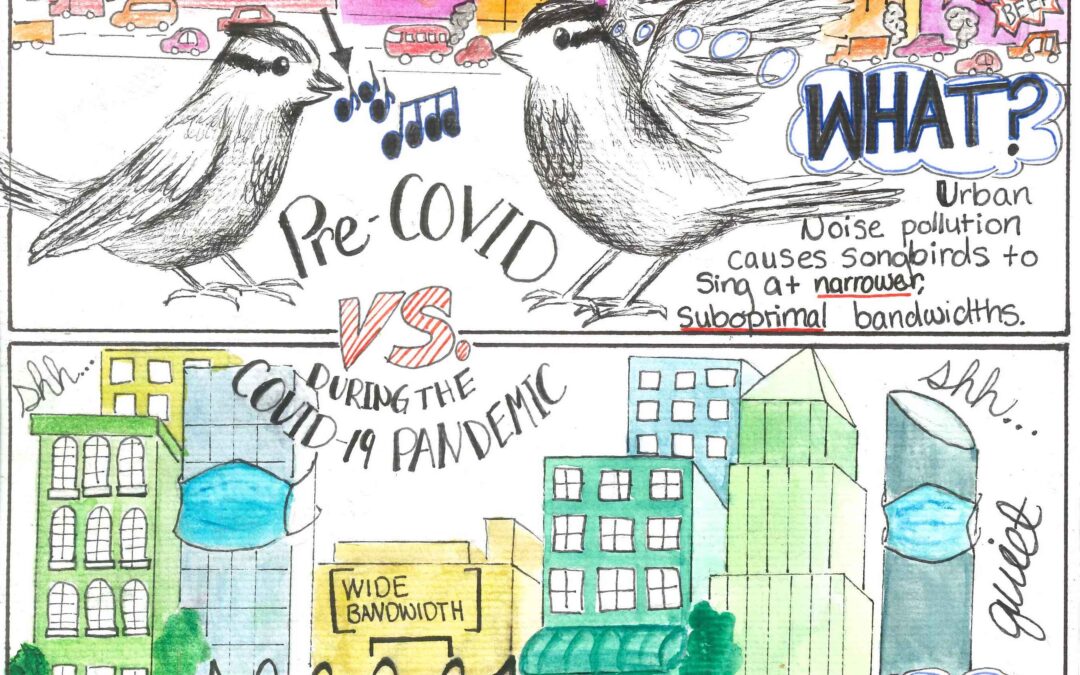
Though the COVID-19 pandemic has wrought drastic change with high mortality rates and wide-scale shutdowns, it has also given rise to some unexpected benefits. With reduced global human activity, the pandemic has provided a unique set of conditions to study climate...
by Abby Navin | Nov 11, 2020 | Urban ecology
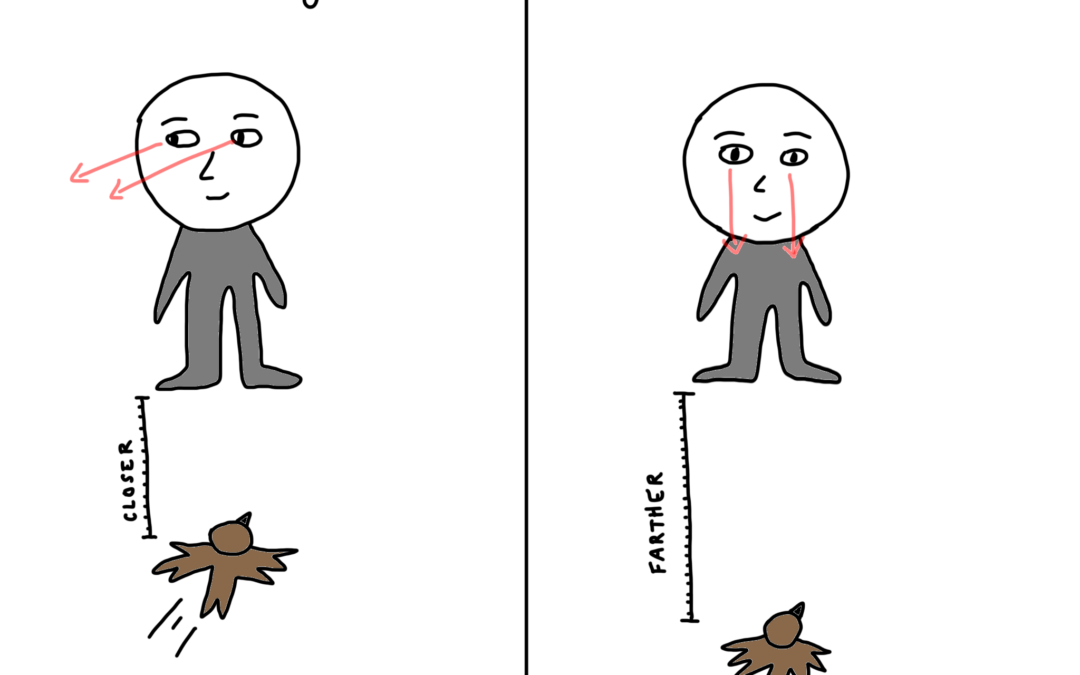
While birds and humans have coexisted for quite some time, exploring the effect of the human gaze on Herring Gulls may be more telling of our evolving relationship with animals in the age of rapid urbanization. It’s no surprise that birds fly away at the sight...

by Macy Reimbold | Nov 11, 2020 | Parental care
Dairy cows are more motivated to reunite with their calves if their calves have been suckled, meaning that their young have nursed from the mother cow’s udders. This is most likely due to the fact that oxytocin, a hormone that is involved in the bond between the...

