
by Alexandra White | Nov 11, 2020 | Communication
How would you tell a friend to go out to eat? Maybe in person, over a phone call, or maybe in a text? Would you dance in order to communicate to someone? Honey bees communicate about food sources in the surrounding area to their group members in a dance, known...

by Katie Orefice | Nov 11, 2020 | Play, Sensory systems, Social behavior
Have you ever wondered why yawning is so contagious? One moment you may be sitting at the dinner table with your friend as they let out a big yawn, and the next second you are doing the same. This involuntary action is something that is commonly seen in humans, and...

by Sofia Elizarraras | Nov 11, 2020 | Sensory systems
Remoras, a type of fish commonly known as the “suckerfish”, are the ultimate hitchhikers of the sea. On the top of the remora’s head is a huge suction cup that is used to latch onto the bodies of larger marine animals. The bigger animal, usually a shark or whale,...
by Eras Yager | Nov 11, 2020 | Social behavior
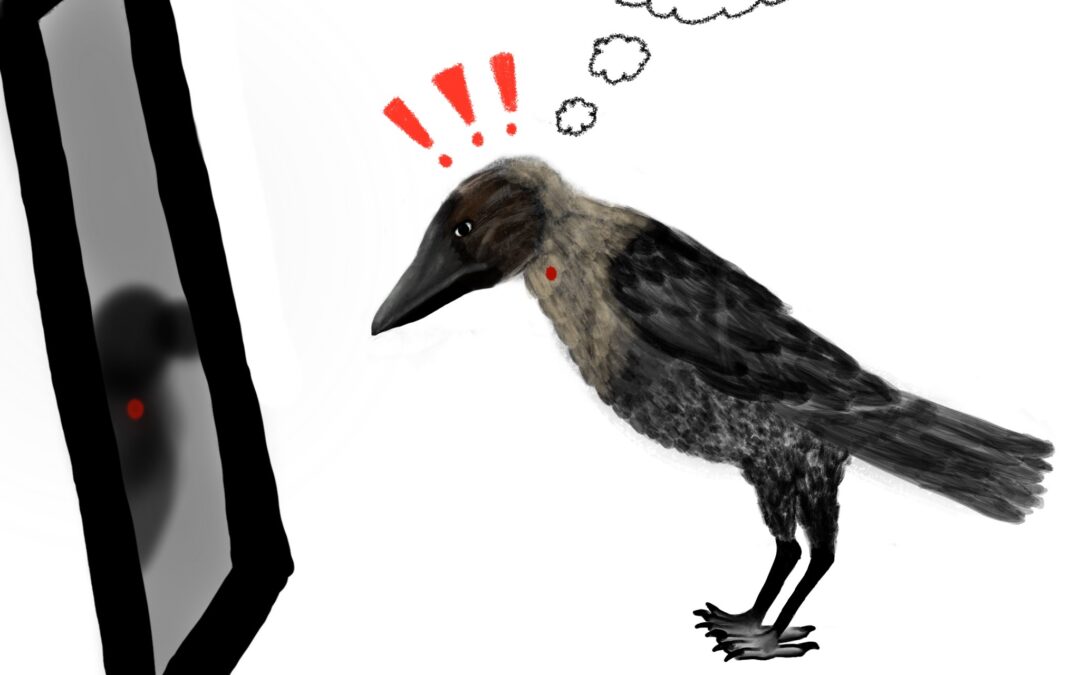
Indian house crows have the ability to recognize themselves in a mirror at a level predominantly associated with primates. Self-recognition is a cognitive ability that was previously thought to be unique to humans. However, self-recognition in other mammals and...

by Mattheus Santos | Nov 9, 2020 | Parental care, Social behavior
Many primates including monkeys live in highly developed social environments and interact via communication with one another in social groups. These social behaviors displayed are shown through both friendly affiliative and aggressive/submissive agonistic ways. Yet at...

