by 2019 Class | Oct 19, 2020 | Sensory systems
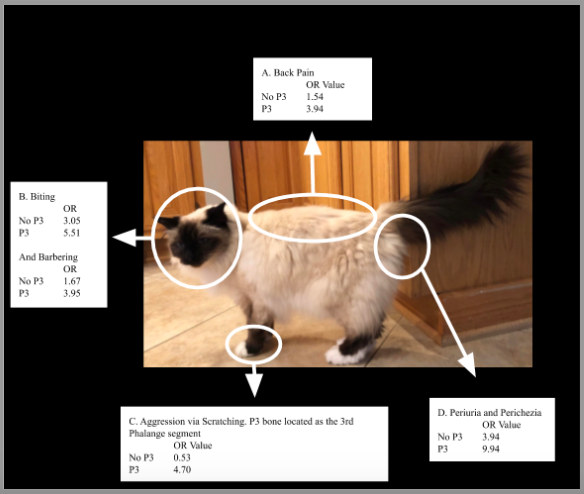
By Ben Sedgwick ’21 Declawed cats may be a danger to themselves as well as cat owners. When bringing in a new cat into a household, many owners are quick to declaw their cat. However, while not understanding the negative effects it may have on the cat, many...
by 2019 Class | Oct 19, 2020 | Foraging
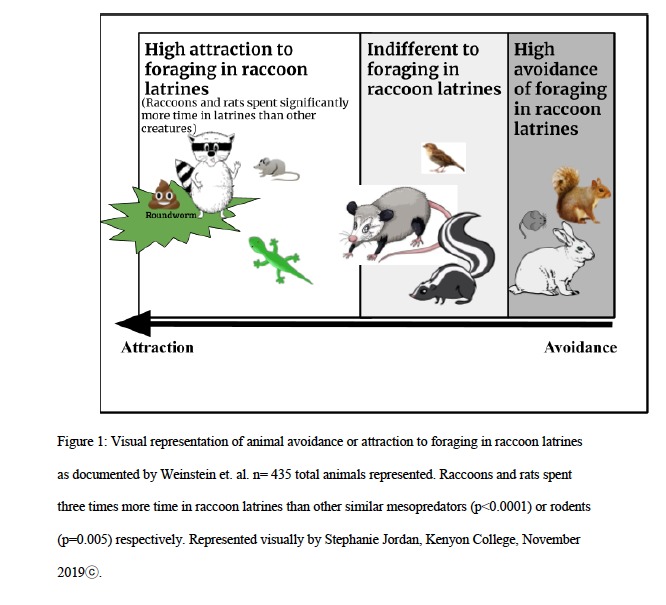
By Stephanie Jordan ’20 Animal decision making is a tradeoff between risk and benefit (Weinstein 2018). When an animal chooses to forage they are accepting decreased levels of antipredatory behavior while they eat. Fear of predation and the subsequent risk...
by 2019 Class | Oct 19, 2020 | Foraging
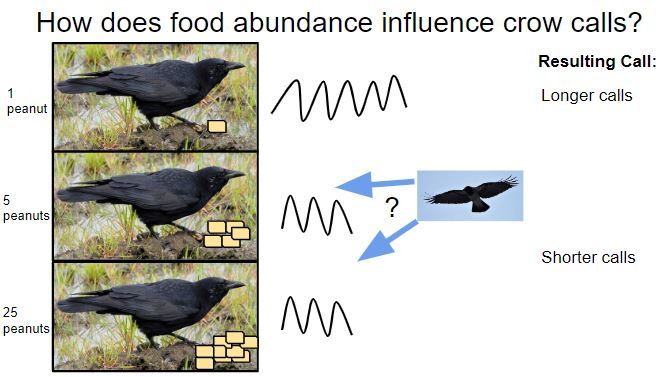
By Morgan Engmann ’20 In the science of animal behavior, it is usually assumed that animals act in such a way that will maximize their fitness. Not your typical going-to-the-gym fitness, but fitness in that the animal survives to produce offspring that can then...
by 2019 Class | Oct 19, 2020 | Social behavior
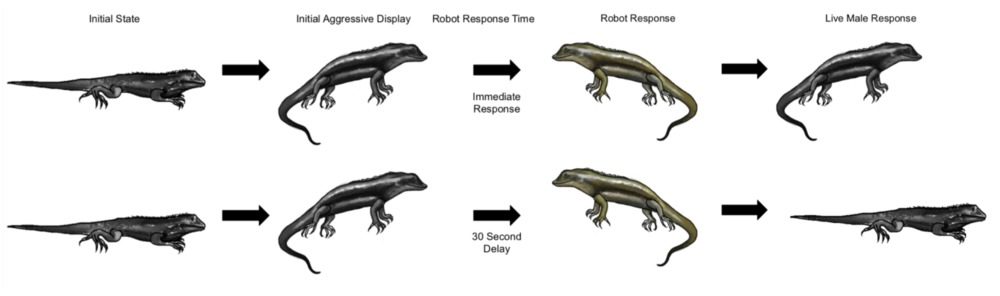
By Mark Lang ’23 Lava Lizards? Robots? iPods? Aggressive Behavior? What in the world do all these things have in common? The answer is David Clark, a biology professor and animal communications researcher at Alma College, who recently published his work on...
by 2019 Class | Oct 18, 2020 | Mating
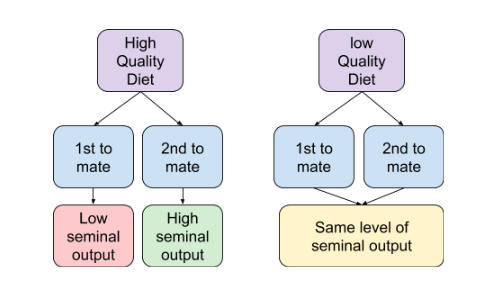
By Victoria Holman ’21 Ejaculation allocation is dependent on the assessment of competition risk and dietaary condition in neriid flies. Nature produces all kinds of peculiar sexual traits in animals but some of the most interesting ones come out of the...

