by 2019 Class | Oct 18, 2020 | Mating
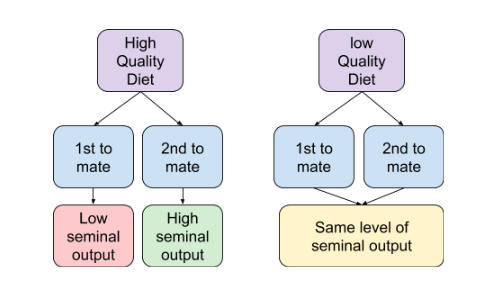
By Victoria Holman ’21 Ejaculation allocation is dependent on the assessment of competition risk and dietaary condition in neriid flies. Nature produces all kinds of peculiar sexual traits in animals but some of the most interesting ones come out of the...
by 2019 Class | Oct 18, 2020 | Foraging
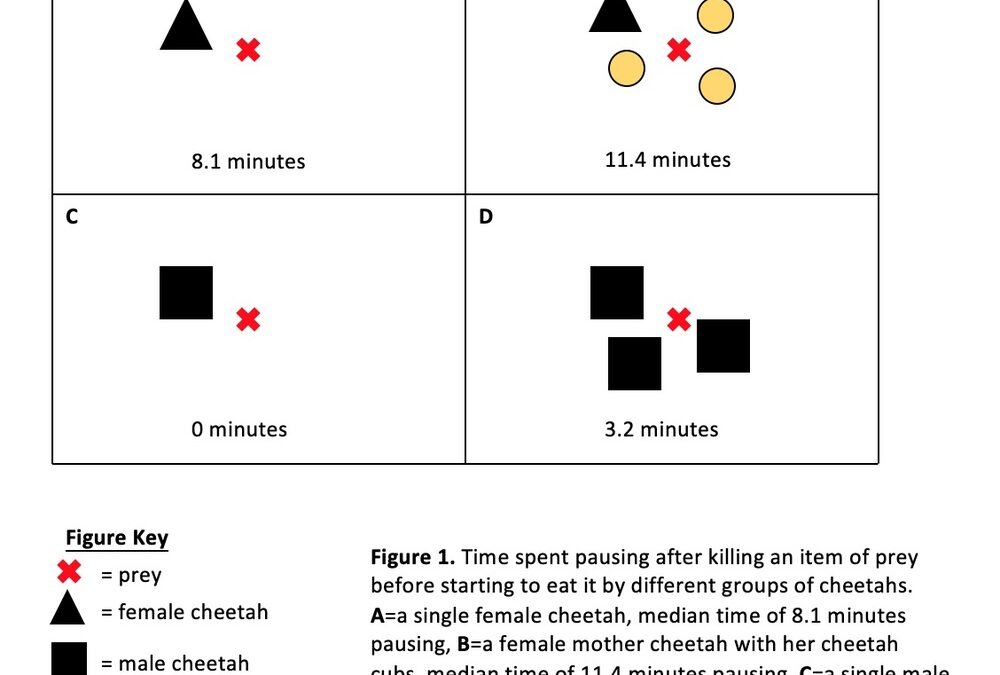
By Patrick Nally ’22 Cheetahs are known as a top predator across the world. However, cheetahs are very prone to attacks while handling their own prey from other predators such as lions and spotted hyenas. Cheetahs are considered mesocarnivores, which are animals...
by 2019 Class | Oct 18, 2020 | Mating
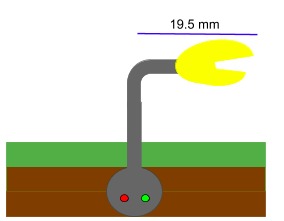
By Scott Upton ’22 Animals often form collective groups simply for protection over predators because there is safety in numbers. Austruca mjoebergi (male fiddler crabs) have been known to gather in groups for reasons other than survival. The male crabs often...
by 2019 Class | Oct 18, 2020 | Foraging
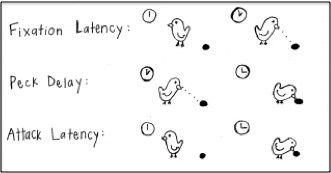
By Julia Eckberg ’21 Predator-prey dynamics play a critical role in animal behavior, as the majority of animal species will at some time play either role in an interspecies interaction, even fluctuating between the two depending on the social context. These...
by 2019 Class | Oct 18, 2020 | Mating
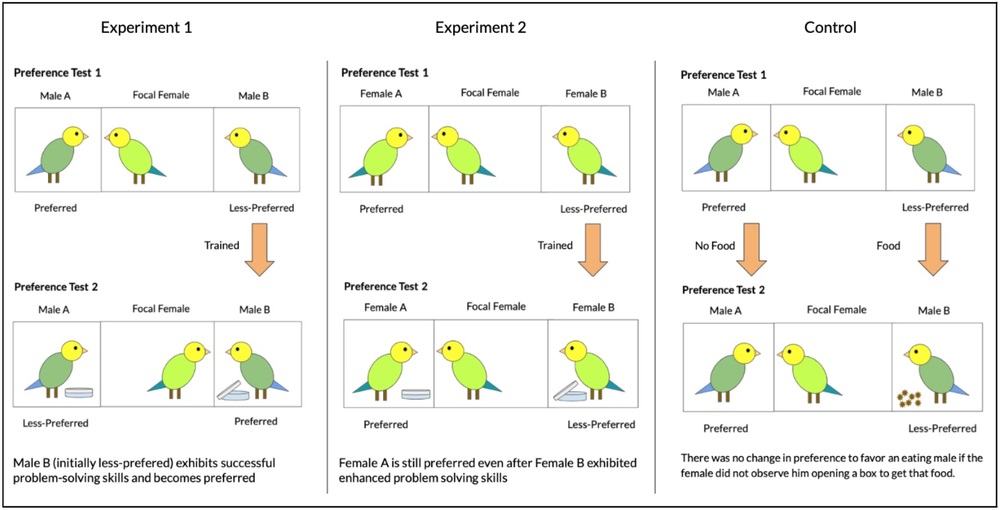
By Kate Alexy ’21 The ability to forage and find food is attractive to female budgerigars looking for mates. After chicks hatch the females are busy incubating, brooding, and feeding their young while the males are responsible for providing food for the females....

