by 2019 Class | Oct 19, 2020 | Sensory systems
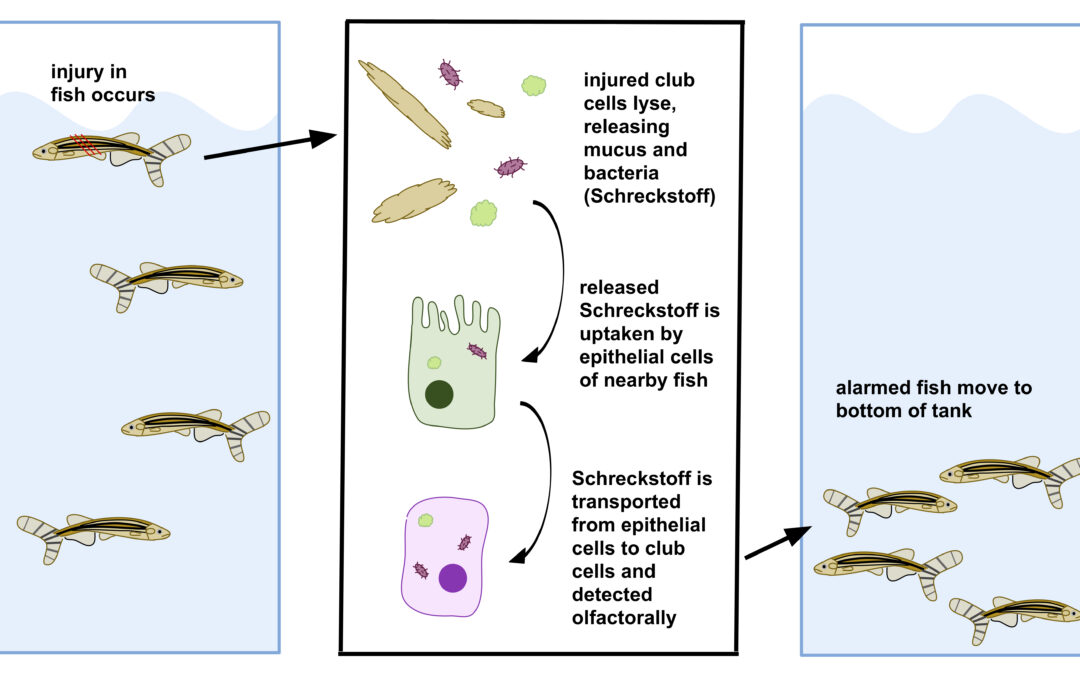
By Julia Borys ’22 Individual animals often use alarm signals from their own species (conspecifics) to respond to the presence of a threat. By employing a mechanism such as this, the individual has a better chance of avoiding harm. Freshwater fish are known to...

by 2019 Class | Oct 19, 2020 | Camouflage
By Ben Berejka ’20 When picturing nocturnal predators, most people would envision darkly colored and cryptic monsters creeping through the shadows, but a recent study published in Nature Ecology and Evolution describes the opposite. Researchers observed that...
by 2019 Class | Oct 19, 2020 | Urban ecology
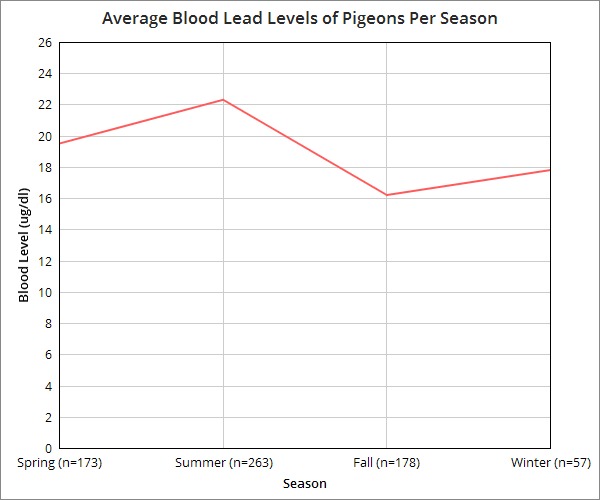
By Jaryd Jones ’22 If you’ve spent just about any time in New York City then you’ve probably seen more pigeons here than almost anywhere in the world. These birds, specifically called rock doves (or “rats with wings” depending on who you ask) have come to be a...
by 2019 Class | Oct 19, 2020 | Urban ecology
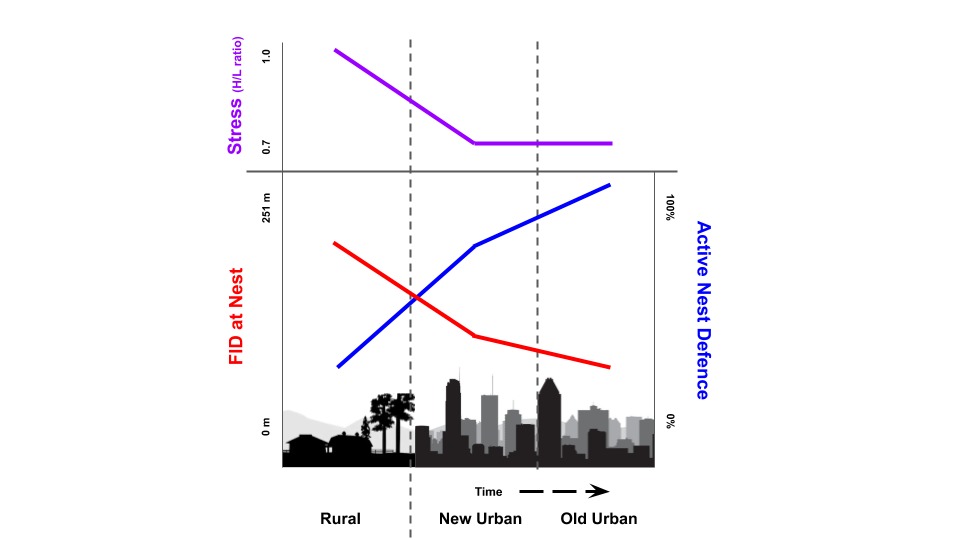
By Zachary LaRocca-Stravalle ’22 Imagine yourself taking a stroll through rural New Mexico: open, grassy fields, patches of juniper trees among the cane cholla and prickly pear, and blue skies over the distant Sangre de Cristo Mountains. A scenic view. Now you...

by 2019 Class | Oct 19, 2020 | Personality
By Jessica Zhou ’22 Human praise themselves as the most advanced animal, but sometimes, when facing the tragedy of our own compatriots, they do not perform as well as those seemingly inferior animals. Near the Mediterranean in 2016, scientists discovered that...

