
by 2019 Class | Aug 18, 2020 | Communication
By Ben Sedgewick ’21 To many cat owners, they have a good idea of how their cat feels through regular behavior. However, just like humans, domestic cats are able to communicate emotion through facial expression. Varied combinations of facial expressions and...

by 2019 Class | Aug 17, 2020 | Communication
By Jaryd Jones ’21 The wolf’s howl is one of the most recognizable sounds in the animal kingdom. However, while we have a basic understanding of why they howl, there is not much research on the specifics of how they use this form of long-distance...

by 2019 Class | Aug 17, 2020 | Sensory systems
By Bella Stevens ’22 Shark numbers are rapidly declining, mainly due to commercial fishing and bycatch (1). But why should you care? The word “shark” probably doesn’t generate warm, fuzzy feelings. Sharks, particularly Great Whites, get a bad rap, thanks to...
by 2019 Class | Aug 17, 2020 | Sensory systems
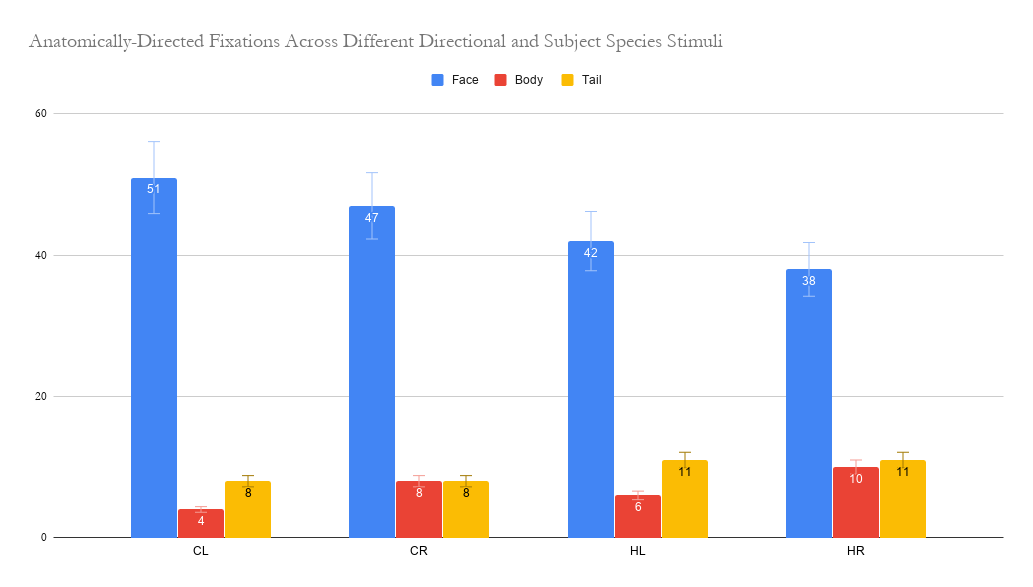
By Meg Dye ’22 For almost as long as humans have been studying animal behavior, scientists have been fascinated not only with how different animals perceive and react to various stimuli, but specifically with how certain animals perceive and react to other...

by 2019 Class | Aug 17, 2020 | Play
By Morgan Engmann ’20 Across species, there has been confusing and conflicting data on how juvenile play habits predict behavior outside of play and dominance rankings in an animal society. For some animals, pairs of playmates let each other win in about a 50:50...

