by 2019 Class | Aug 17, 2020 | Sensory systems
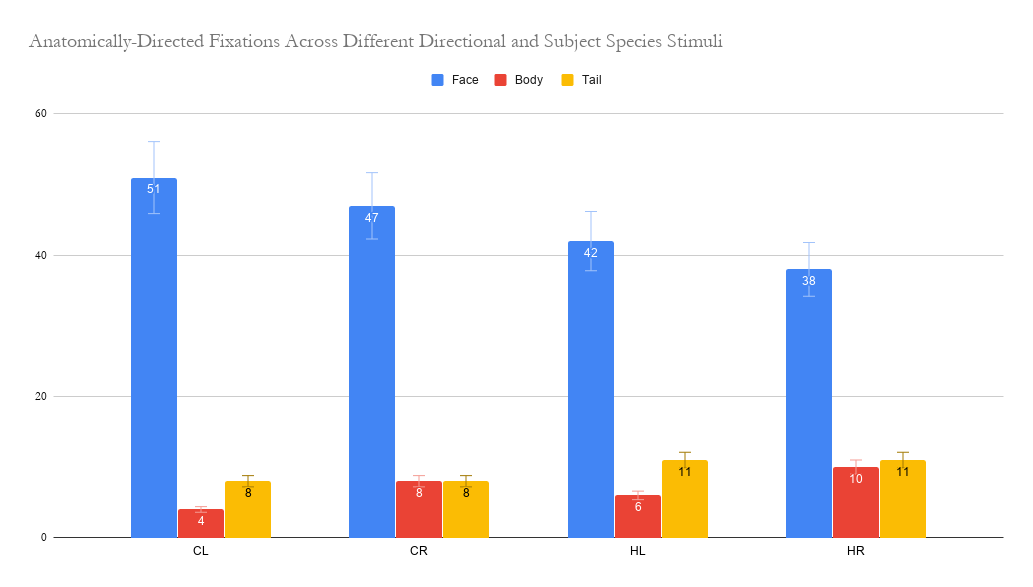
By Meg Dye ’22 For almost as long as humans have been studying animal behavior, scientists have been fascinated not only with how different animals perceive and react to various stimuli, but specifically with how certain animals perceive and react to other...

by 2019 Class | Aug 17, 2020 | Play
By Morgan Engmann ’20 Across species, there has been confusing and conflicting data on how juvenile play habits predict behavior outside of play and dominance rankings in an animal society. For some animals, pairs of playmates let each other win in about a 50:50...

by 2019 Class | Aug 17, 2020 | Camouflage
Julia Borys ’22 Coloration within organisms, which allows for camouflage, is a common example of natural selection. This mechanism increases an organisms’ ability to avoid being seen by predators. While camouflaging is ubiquitous in natural selection,...

by 2019 Class | Aug 17, 2020 | Social behavior
By David Han ’21 In many ant species, colonies are structured in a way that would be familiar to the rulers of feudal Europe: a large population of workers and soldiers labors under the control of a single queen. Unlike human monarchs, though, the ant queen is...

by 2019 Class | Aug 10, 2020 | Foraging
Ava-Rose Beech ’21 Studies show that bumble bees may pollinate particular flowers based on microbial concentrations of yeast and bacteria living upon flowers. Walk outside on any late August day, in the height of summer, and the air is heavy with life. Full...

